Hiking with Dogs: Essential Trail Etiquette & Safety Tips
If you are reading this, you are likely a dog lover like myself. I’ve always had dogs in my adult life, and think life without dogs would be a sad and cold world. Like the saying goes, we don’t deserve dogs. They offer unconditional love and make incredible companions.
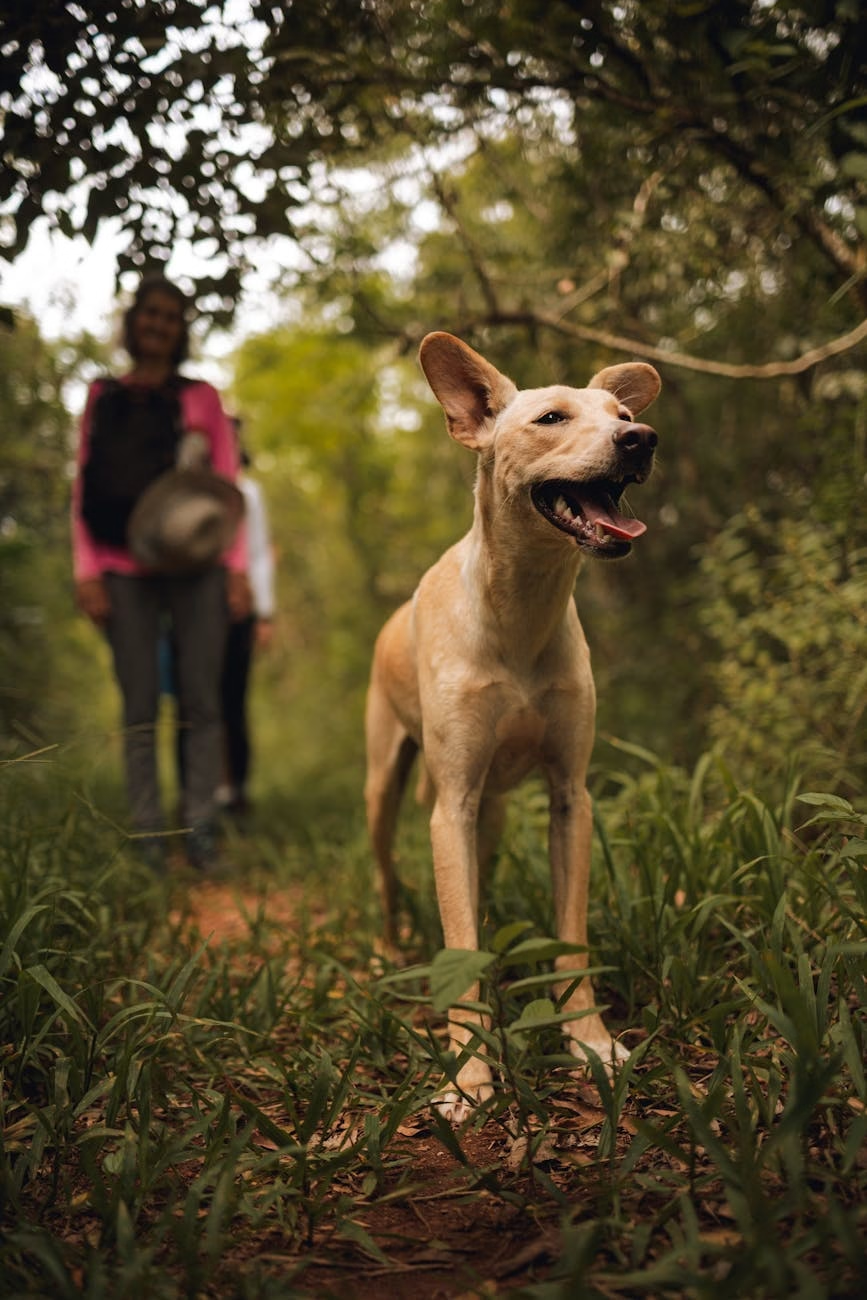
Dogs love being with us, and many of them love a good adventure. I often see dogs out on the trails when I’m hiking or biking, and the excitement they show just being outside with their person is hard to miss. At the same time, sharing trails with dogs works best when a few simple things are kept in mind for their safety, for other people, and for the environment.
Since I have a guide to the best dog trails in the area, I thought it would be helpful to pair it with some rules of the road on how to make sure both you and your dog have a safe, enjoyable experience on the trail.
Before the Hike
Are Dogs Allowed Here?
This is a simple question, but an important one. Not all trails or natural areas allow dogs. Some nature preserves and wildlife areas like LLELA or the Trinity River Audubon Center, limit or prohibit dogs to protect sensitive habitats and wildlife.
Even when a place seems like a perfect spot for a walk, it’s always worth checking the rules ahead of time. Most official sites indicate whether dogs are allowed. or not. Like here or here. It helps avoid disappointment and more importantly, helps protect the spaces we all enjoy.
What Rules does the Area Have?
Even where dogs are allowed, there are often specific requirements. Most commonly leash rules.
Many preserves welcome dogs but require them to be on a leash, sometimes with a specific maximum length. Places like Connemara Meadow, for example, ask that dogs remain leashed to protect ground-nesting birds such as quail. At Tandy Hills, leash rules help prevent damage to native wildflowers that volunteers work hard to maintain.
These rules aren’t arbitrary, they’re there to balance access with conservation. Taking a moment to understand and follow them goes a long way.
Water and Other Supplies
TThis is a big one, especially in Texas. Your dog needs water just as much as you do, often more.
Before heading out, make sure you’ve packed what both of you might need:
- Plenty of water
- A portable bowl
- Snacks if it’s a longer outing
- Protective gear depending on terrain
On a hot day at Cedar Ridge Preserve, I once ran into a couple whose dog was clearly overheated and panting heavily and they didn’t have any water. Thankfully I had extra and could help, but it was a good reminder of how quickly things can go wrong.
A little preparation makes a big difference.
Temperature
North Texas weather can be extreme, and it affects dogs differently than it affects us.
Hot pavement can burn paws, and dogs can overheat quickly since they rely on panting, not sweating, to regulate temperature. A good rule of thumb: if it’s too hot for your hand or bare feet, it’s too hot for your dog.
On the flip side, very cold conditions can also affect paws and comfort. Choosing the right time of day and paying attention to conditions helps keep outings safe and enjoyable.
On the Hike
Keep in Control
When you’re sharing a public space, keeping your dog under control is one of the most important things you can do.
Even well-meaning dogs can create risky situations. I’ve had dogs run out in front of my bike, or come racing toward me while their owner calls after them. And while “don’t worry, they’re friendly” is often true, not every dog or person is comfortable with that kind of interaction.
Keeping your dog close and under control isn’t just courteous it helps prevent accidents and keeps everyone safer, including your dog.
Picking Up After Your Dog
This one matters for more than just keeping trails clean.
Dog waste isn’t the same as wildlife waste. Because of their diet, your dogs waste contains different bacteria and nutrient levels that can disrupt the local ecosystem. When left on the ground, it can wash into creeks and lakes, affecting water quality.
Bagging it is the first step, and carrying it out is just as important. Leaving a bag on the side of the trail, even with good intentions, often means it never gets picked up.
It’s a small effort that makes a big difference for both people and the environment.
Stay Aware
Trails, especially popular ones like Katy Trail or White Rock Lake, can get busy.
You’ve got walkers, runners, cyclists, and dogs all sharing the same space. Staying aware of your surroundings helps everything flow more smoothly:
- Keep your dog close in busier areas
- Be mindful of who’s approaching from behind or ahead
- Avoid letting leashes stretch across the trail
If you’re listening to music or a podcast, keeping the volume low or using a passthrough setting can help you stay aware of what’s going on around you.
Wildlife Cosiderations
One of the best parts of being on the trail is seeing wildlife whether it’s a bobcat, a beaver in the creek, or pelicans and even bald eagles in the winter.
Leash rules often exist to protect these animals. Many species are easily disturbed, and dogs, no matter how friendly, can trigger stress or chase instincts.
Keeping your dog close helps protect wildlife and allows everyone to enjoy those moments from a respectful distance.
Trail Courtesy
Trail courtesy with a dog is really just an extension of good trail etiquette.
- Stay to the right when possible
- Step aside when others are passing
- Keep leashes from stretching across the trail
- On mountain bike trails, follow direction guidelines and be ready to yield
A little awareness and consideration goes a long way toward making the experience better for everyone.
Closing Thoughts
Bringing your dog along on a hike can make a great experience even better. With a bit of preparation and awareness, it’s easy to keep things safe, enjoyable, and respectful for your dog, for other trail users, and for the natural spaces themselves.
At the end of the day, we all share these trails. Taking a few simple steps helps ensure they stay welcoming for everyone, including our four-legged companions.

Jeff
A long time native of North Texas, I love to hike and mountain bike in my spare time. I’m always looking for some place new to explore, which is why I’m doing this site.